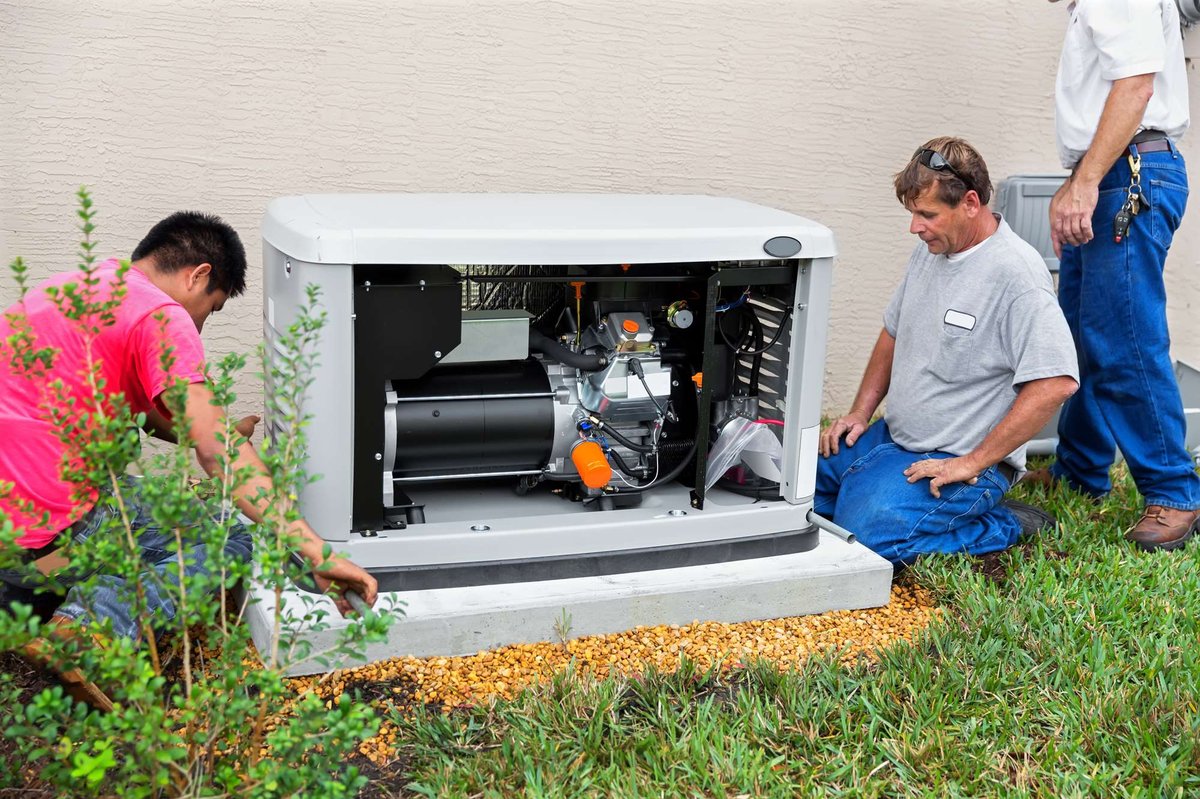
Power outages, whether due to a fierce storm or an unexpected grid failure, can bring modern life to a standstill. For homes and businesses alike, a reliable 220V generator isn't just a luxury; it's a lifeline. But simply owning one isn't enough. The true value—and safety—comes from its proper Installation and Safe Setup of 220V Generators for Home and Industrial Use. This guide will walk you through everything you need to know, transforming a complex task into a clear, actionable plan that keeps your lights on and your loved ones safe.
Think of this as your essential playbook, straight from an expert who's seen it all. We'll cut through the jargon and give you the precise steps to ensure your 220V generator is a source of peace of mind, not a hazard.
At a Glance: Your 220V Generator Setup Checklist
- Size It Right: Match generator wattage (constant and surge) to your specific needs.
- Inspect Immediately: Check for shipping damage and confirm specifications upon arrival.
- Outdoor Only: Position at least 20 feet from any structure, with clear exhaust and ventilation.
- Ground Properly: Always ground the generator frame to prevent electrical shock.
- Transfer Switch is Non-Negotiable: Connect to your electrical system only via an automatic transfer switch or approved interlock kit. Never backfeed.
- CO Detectors: Install battery-powered carbon monoxide detectors throughout your property.
- Fuel Smart: Use approved containers, stabilize fuel, store safely outdoors, and never refuel a running generator.
- Maintenance Matters: Follow manufacturer schedules for longevity and reliable performance.
Why 220V? Powering Your World, Uninterrupted
Before we dive into setup, let's quickly touch on why you might opt for a 220V generator. Unlike smaller 120V units, 220V models are designed to power larger, motor-driven appliances common in both homes and industrial settings. Think well pumps, central air conditioning, electric dryers, large compressors, and heavy machinery. These units demand more muscle, and a 220V generator delivers it, ensuring your critical systems remain operational when the grid goes dark.
Choosing the Right Powerhouse for Your Demands
Selecting the right generator isn't about guessing; it's about calculating. You need to determine your property's power requirements to avoid an undersized (and frustrating) experience or an oversized (and wasteful) investment.
Start by listing all the appliances and systems you plan to run during an outage. For each, note its running (constant) wattage and, if it has a motor, its starting (surge) wattage. Motorized items like refrigerators, furnaces, and air conditioners draw a significant surge of power for a few seconds when they kick on—sometimes two or three times their running wattage.
Your generator must meet or exceed the total 'constant wattage' of all appliances you expect to run simultaneously. Crucially, its 'surge rating' must also exceed the highest 'start-up wattage' requirement among your motor-driven appliances, or the combined surge if multiple motors might start at once. Always verify that the voltage ratings of the generator and your appliances match. If you're still mapping out your needs, it's worth taking a deeper dive into how to accurately size your generator.
Arrival Day: What to Do When Your Generator Lands
Your generator has arrived! Excitement is natural, but pause for a critical first step: a thorough inspection.
- Inspect for Damage: Before accepting delivery, carefully check the packaging and the generator itself for any signs of shipping damage. Dents, leaks, or broken parts could indicate internal issues. Document everything with photos if you find damage.
- Confirm Capacity: Double-check the generator's specifications against your order and power needs. Is the amperage/wattage adequate as planned? Ensure all included accessories and manuals are present.
- Read the Manual: Yes, really. The manufacturer's instructions are your ultimate source of truth for installation, operation, and maintenance specific to your model. Skimming could lead to costly mistakes or voided warranties.
The Great Outdoors: Strategic Placement for Safety and Performance
Where you place your generator is paramount, primarily for safety but also for optimal performance. This isn't just a suggestion; it's a non-negotiable rule.
Your 220V generator MUST be installed outdoors. Period. It's a powerhouse that demands space and ventilation. Here's how to pick the perfect spot:
- The 20-Foot Rule: Position the generator a minimum of 20 feet (about 6 meters) from your house, garage, shed, or any other building. This distance is critical for dissipating hazardous carbon monoxide (CO) exhaust.
- Unobstructed Airflow: Ensure the area has free and unobstructed air for cooling and proper exhaust ventilation. Never place it in a garage (even with the door open), carport, attic, basement, crawl space, or under a porch.
- Direct Exhaust Away: Angle the generator so its exhaust is directed away from all windows, doors, air conditioning units, and fresh air intakes of your home or any adjacent structures. CO is an odorless, colorless killer, and even small amounts can be lethal.
- Proximity Matters (But Safety First): While maintaining the 20-foot safety buffer, try to position the unit somewhat close to your intended transfer switch location and your fuel supply. This minimizes the length of electrical cables and fuel lines, reducing potential trip hazards and installation complexity.
- Protective Enclosure (Optional but Recommended): Consider a professionally installed, purpose-built generator enclosure. These offer protection from the elements while ensuring critical ventilation. Never cover a running generator with a tarp or anything that could restrict airflow.
- Stable, Level Surface: Place the generator on a firm, level surface, such as a concrete pad, to prevent tipping and minimize vibration.
Grounding Your Generator: The Electrical Safety Net
Proper grounding (or earthing) isn't optional; it's a fundamental electrical safety measure. The generator frame and all external conducting parts must be correctly grounded. Your generator will typically have a designated grounding lug on its frame for this purpose.
To ground it, you'll connect a heavy-gauge copper wire from this lug to a grounding rod driven deep into the earth. Consult your local electrical codes for specific requirements on rod depth and wire gauge, but generally, an 8-foot copper rod is common. This connection provides a safe path for stray electrical current to dissipate, protecting against electrocution if there's an electrical fault within the generator. Always ensure batteries are fully charged before insertion into the unit, as per manufacturer guidelines.
Connecting to Your Home: The Transfer Switch is Your Lifeline
This is perhaps the most critical step in generator installation for your home or business: how you connect it to your electrical system. There is only one safe and legal way to do this for a 220V system: via an automatic (or manual) transfer switch or a properly installed interlock device.
NEVER, EVER attempt to connect a generator directly to your home's main electrical panel without a transfer switch or interlock kit. This incredibly dangerous practice is called "backfeeding."
- What is Backfeeding? Backfeeding occurs when generator power flows backward through your home's electrical system into the utility grid. If utility power is restored while your generator is backfeeding, it can send deadly voltage into the power lines, electrocuting unsuspecting utility workers trying to restore power. It can also damage your generator and appliances, and pose a severe fire hazard.
- The Transfer Switch Solution: A transfer switch is essentially a manual or automatic switch that safely isolates your home's electrical system from the utility grid before connecting to the generator.
- Automatic Transfer Switches (ATS): These are the gold standard for convenience and safety. When utility power fails, an ATS automatically senses the outage, disconnects your home from the grid, starts your generator, and transfers the electrical load. When utility power returns, it reverses the process. This provides seamless, hands-off operation.
- Manual Transfer Switches: These require you to physically switch your home's power source from utility to generator and back. While less convenient than an ATS, they perform the same critical safety function of isolating your home from the grid.
- Interlock Kits: For some breaker panels, an interlock kit provides a safe, mechanical way to prevent your main utility breaker and your generator breaker from being on at the same time. This is a more cost-effective option for smaller setups but requires manual operation.
Installation of a transfer switch or interlock device requires a licensed electrician. They will ensure all wiring is up to code, properly insulated, and all connections (wires, cables, terminals) are secure and covered. It's an investment in safety and compliance. To dive deeper into the specifics, you can learn more about how generator transfer switches work.
Battling the Silent Killer: Carbon Monoxide Safety
We've mentioned it before, but it bears repeating: Carbon monoxide (CO) poisoning is a leading cause of generator-related fatalities. CO is an odorless, colorless gas present in generator exhaust, making it incredibly insidious.
- Operation Location is Key: As stated, generators ONLY operate outdoors, at least 20 feet from any building, with exhaust directed away from all openings. This cannot be stressed enough.
- CO Detectors: Your Lifesavers: Install working, battery-powered carbon monoxide detectors on every level of your home, and specifically outside sleeping areas. Test them monthly to ensure they're functioning correctly and replace batteries as needed. These devices are your first line of defense against CO infiltration. For a comprehensive overview, refer to our guide to carbon monoxide detector placement and maintenance.
Navigating Electrical Hazards: Protecting Against Shock & Fire
Beyond CO, electrical dangers are another significant concern with generator operation. Following these guidelines helps keep you and your property safe:
- De-Energize First: Before any installation, servicing, or repair, always turn off all power voltage supplies at the source. This typically means shutting off your main breaker and disconnecting the generator.
- Proper Grounding/Earthing: We covered this, but it's essential for electrical safety. Ensure the generator frame and all external conducting parts have proper grounding.
- Rated Wiring and Cords: Use wiring, cables, and cord sets that are specifically rated for the generator's capacity and the appliances they will power. Undersized wires can overheat, causing fires.
- Insulated Connections: All electrical connections, wires, cables, and terminals must be properly insulated and covered to prevent accidental contact and short circuits. Exposed wiring is an electrocution hazard.
- Professional Installation: For any permanent wiring or transfer switch installation, always use a qualified, licensed electrician. Their expertise ensures compliance with local codes and maximum safety.
Taming Fire & Explosion Risks: Fueling and Storage Safely
Generators run on fuel, and fuel is flammable. Mishandling it can lead to devastating fires or explosions.
- Clear the Clutter: Keep the area around your generator clean, clear, and free of any combustible materials (leaves, rags, papers, gasoline cans).
- No Smoking: Never smoke near the generator, especially during fueling or maintenance. A stray spark is all it takes.
- Spill Prevention: Fuel and oil spills are immediate explosion risks. Clean them up thoroughly and immediately. Ensure your generator is placed on a surface that won't absorb spilled fuel.
- Fire Extinguisher Ready: Have a fully charged fire extinguisher (rated for electrical and flammable liquids, e.g., ABC type) readily available near the generator.
- Cool Down Before Refuel: NEVER fill a generator while it's running or still hot. Spilled gasoline on a hot muffler or engine can ignite instantly. Allow the generator to cool completely before adding fuel.
Smart Extension Cord Practices for 220V Power
While a transfer switch handles whole-home power, you might still use extension cords for specific 220V appliances or if your generator is portable and not hardwired. Careful selection and use are critical.
- Outdoor Rated Only: Use extension cords specifically rated for outdoor (and indoor) use. Look for labels like "WA" or "W."
- Match Wattage Capacity: Ensure the extension cord's maximum wattage capacity meets or exceeds the wattage of the appliance it powers. Overloading a cord causes it to overheat, posing a fire risk.
- Gauge Matters: Lower gauge numbers indicate thicker wires and higher current capacity. For high-current 220V appliances (e.g., portable heaters, some window AC units), always use thicker, lower-gauge cords. Thinner, higher-gauge cords are only suitable for low-current devices.
- One Appliance, One Cord: For large 220V appliances, use one dedicated extension cord per generator outlet. Avoid daisy-chaining multiple heavy-load appliances to a single outlet, even if using a power strip.
- Avoid Multi-Cord Chains: Ideally, avoid connecting multiple extension cords in series. If absolutely necessary for reach, ensure all connected cords are of the same gauge to minimize resistance and heat buildup.
- No Pinching or Hiding: Never run extension cords under rugs, carpets, or through windows/doors where they can be pinched. This damages the insulation and creates fire or shock hazards. Use a rubber doorstop or cord protector if you must route through a doorway temporarily.
- Voltage Drop Awareness: Longer extension cords can lead to "voltage drop," which means less power reaches your appliance. While this isn't usually a safety hazard, it can reduce appliance efficiency and potentially shorten motor life. Prioritize safety first by keeping the generator at least 20 feet from the house, and use the shortest practical cord length while still meeting safety distance requirements.
Fueling Your Generator: Strategy for Extended Outages
Most portable 220V generators run on gasoline, with tanks typically holding around 8 gallons. Larger stationary units might use natural gas or propane.
- Stock Up Safely: During hurricane season or anticipated outages, stock up on fresh gasoline. Plan for consumption: a high-wattage generator can easily consume over 40 gallons of gasoline for just two days of continuous use.
- Approved Containers: Store gasoline only in ANSI/UL approved containers that feature pressure-relieving mechanisms.
- Stabilize Your Fuel: Mix gasoline with a fuel stabilizer to prevent degradation, especially if storing it for more than a few weeks. Stale fuel can clog carburetors and damage engine components.
- Outdoor Storage: Always store fuel containers outdoors, in a well-ventilated area, away from direct sunlight, heat sources, and any ignition sources. Keep them away from your home and out of reach of children. For comprehensive tips on this, explore best practices for safe fuel storage.
- Consider Dual-Fuel Options: Many generators now offer dual-fuel capability (gasoline and propane), and some can be converted to run on natural gas. Propane offers longer storage life without degradation, and natural gas provides a continuous fuel supply if you have a connection. Conversion kits for natural gas may require professional installation.
Keeping Your Powerhouse Primed: Essential Maintenance
A generator is an investment that requires ongoing care. Strict adherence to a maintenance schedule—annual, semi-annual, or quarterly, as specified by your manufacturer—is crucial for reliability and longevity.
- Regular Inspections: Visually inspect the cooling system, air intake system, air cleaner, fuel system (hoses, connections for leaks), exhaust system, and electrical system for wear or damage.
- Oil and Filter Changes: Change the engine oil and oil filter annually, or more frequently based on run time, following the manufacturer's recommendations. Clean or replace the air filter regularly.
- Controls and Connections: Inspect controls such as voltage regulators, relays, and monitors. Ensure all electrical connections are tight and corrosion-free.
- Transfer Switch Adjustments: If you have an automatic transfer switch, confirm its time delays are correctly set (e.g., how long it waits before starting the generator after an outage). Reset exerciser clocks if your unit has an automatic weekly self-test.
- Performance Monitoring: Periodically check key performance parameters like AC output voltage and frequency. Fluctuations could indicate an issue needing attention.
- Professional Servicing: Consider professional servicing at least annually, especially for larger or permanently installed units. They can perform comprehensive diagnostics and preventive maintenance tasks you might miss. For more detailed insights, you can review our guide to advanced generator maintenance.
Common Misconceptions & Quick Answers
- "My generator's quiet, so CO isn't an issue." False. All internal combustion engines produce CO. Noise level has no bearing on CO output. Always operate outdoors.
- "I can just plug my generator into a regular wall outlet with an adapter." Absolutely NOT. This is backfeeding and is extremely dangerous. You must use a transfer switch or interlock kit.
- "I only need a small generator for a few lights." While a small one might run lights, a 220V generator is typically for larger appliances. If you only need a few lights, reconsider your sizing or if a 220V unit is overkill.
- "My generator came pre-grounded." While some units have internal grounding, external grounding to an earth rod is almost always required by code for user safety. Always verify and install proper grounding.
- "I can store gasoline indefinitely." Untreated gasoline degrades quickly, especially with ethanol blends. Use fuel stabilizer and cycle your stored fuel regularly.
Your Next Steps for Uninterrupted Power
The proper installation and safe setup of your 220V generator isn't a one-and-done task; it's an ongoing commitment to safety and preparedness. By carefully following these guidelines, you're not just installing a machine; you're investing in peace of mind, protecting your property, and safeguarding lives.
Review your power needs annually, especially if you add new 220V appliances. Revisit your safety protocols with your household members, ensuring everyone understands the risks of carbon monoxide and safe fueling practices. And remember, when in doubt about electrical connections, always consult a licensed professional.
Equipped with this knowledge, you're now ready to face whatever comes your way, secure in the knowledge that your 220V powerhouse is installed safely, correctly, and ready to deliver reliable power when you need it most. To broaden your understanding even further, Learn more about 220v generators and master the art of self-sufficiency.